Walking Safaris
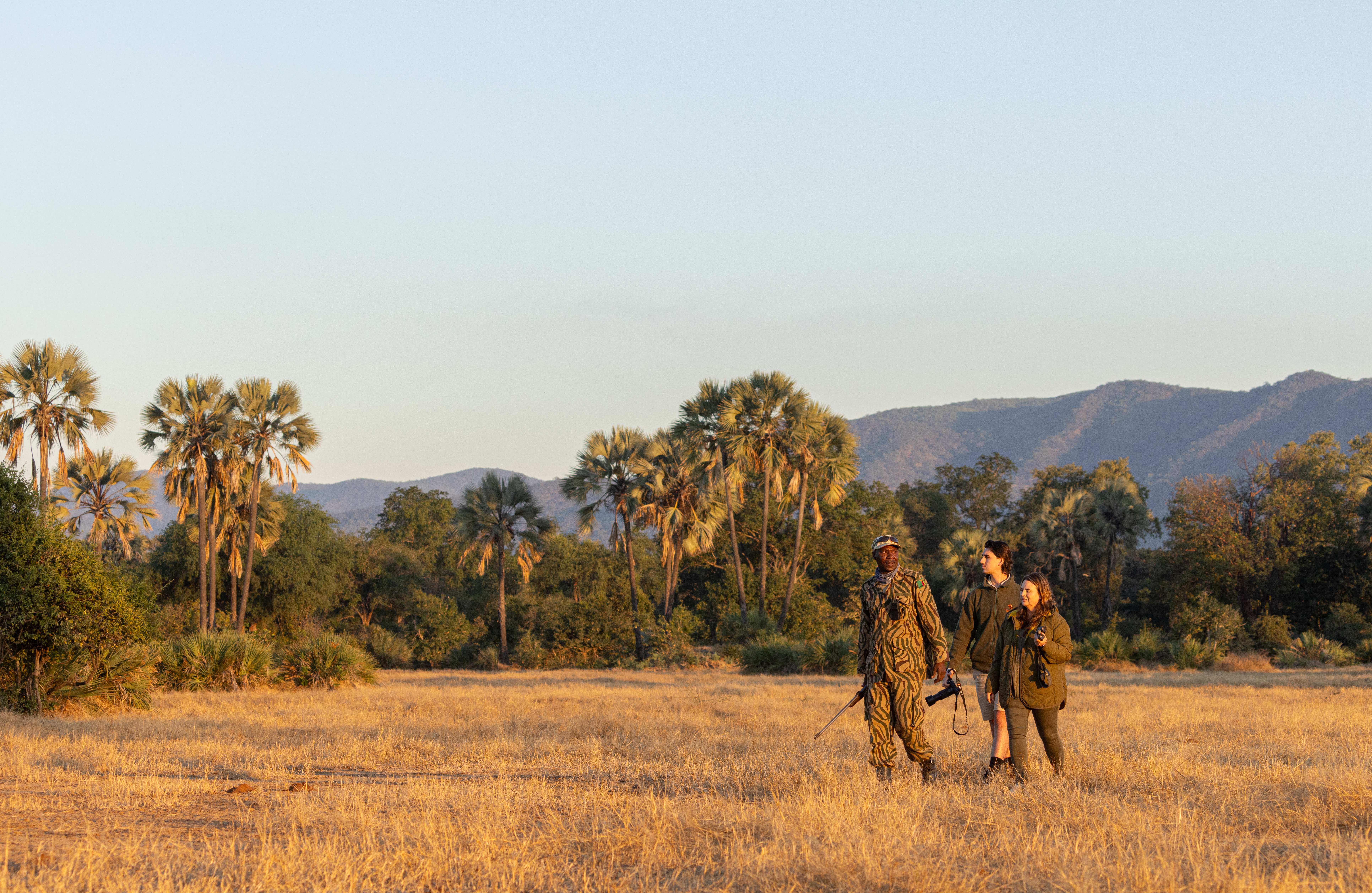
Walking safaris offer a slower, more immersive way to explore the landscape, focusing on detail and awareness while providing a different perspective to vehicle-based activities.
Walking in the Wilderness
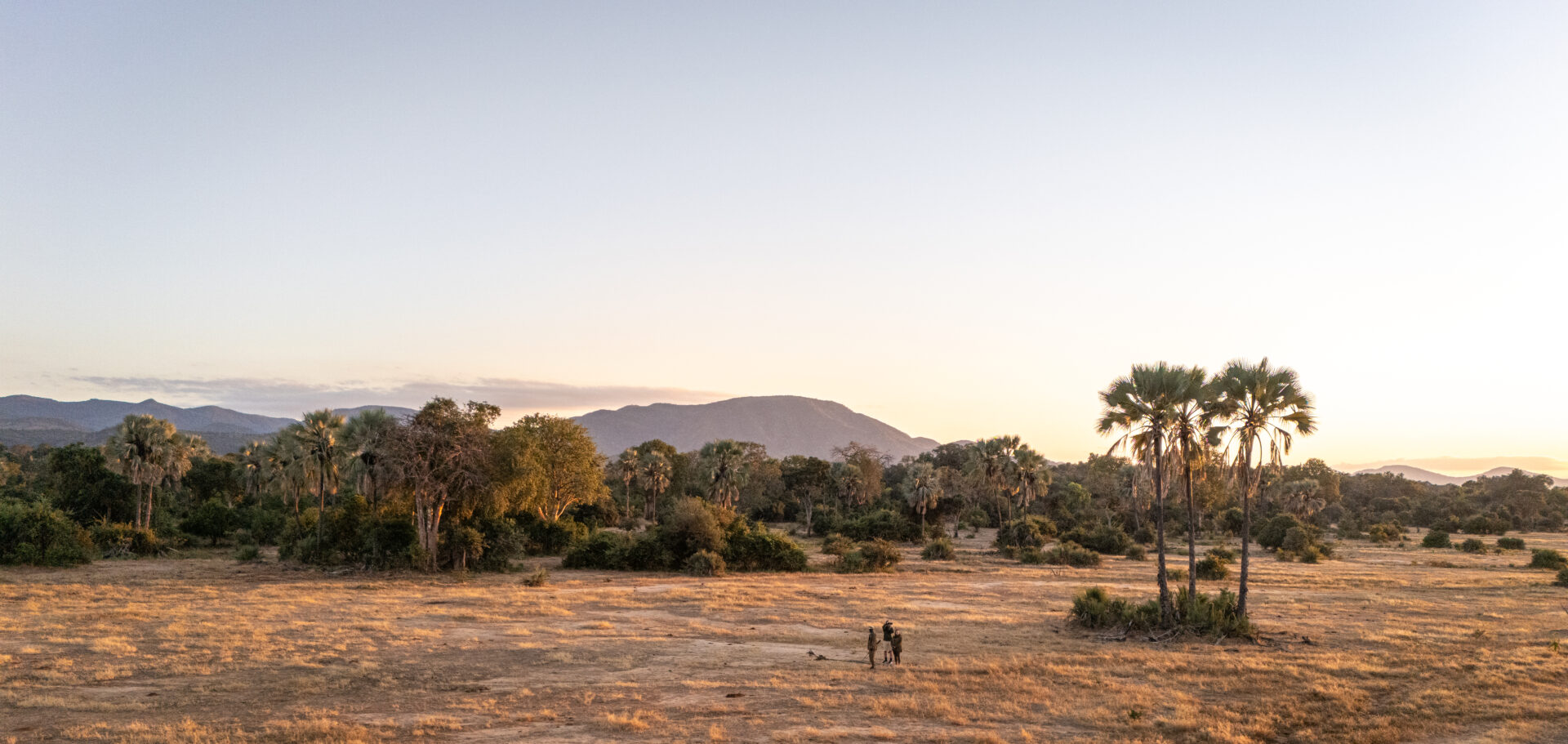
Bush walks prioritize depth over distance, guided by experienced staff. Unique trails include the Nzovu Rundu's Nkalange Island Trail (Lower Zambezi) along shifting sandbanks and riverine forest; the Kawaya-Waya Trail (Kafue) through the ancient Mozhi Ruins, blending wilderness with history. Anticipated walks through Achikunda landscapes (South Luangwa) and Old Njati (North Luangwa) promise the same slow, observant approach. Each step becomes a quiet conversation with the wild. No vehicle. No distance to conquer. Just you, your guide, and the living, breathing wilderness—listening, observing, belonging.
Properties Offering Walking in the Wilderness
Achikunda Luxury Camp Mozhi Bush Camp Old Njati Luxury Camp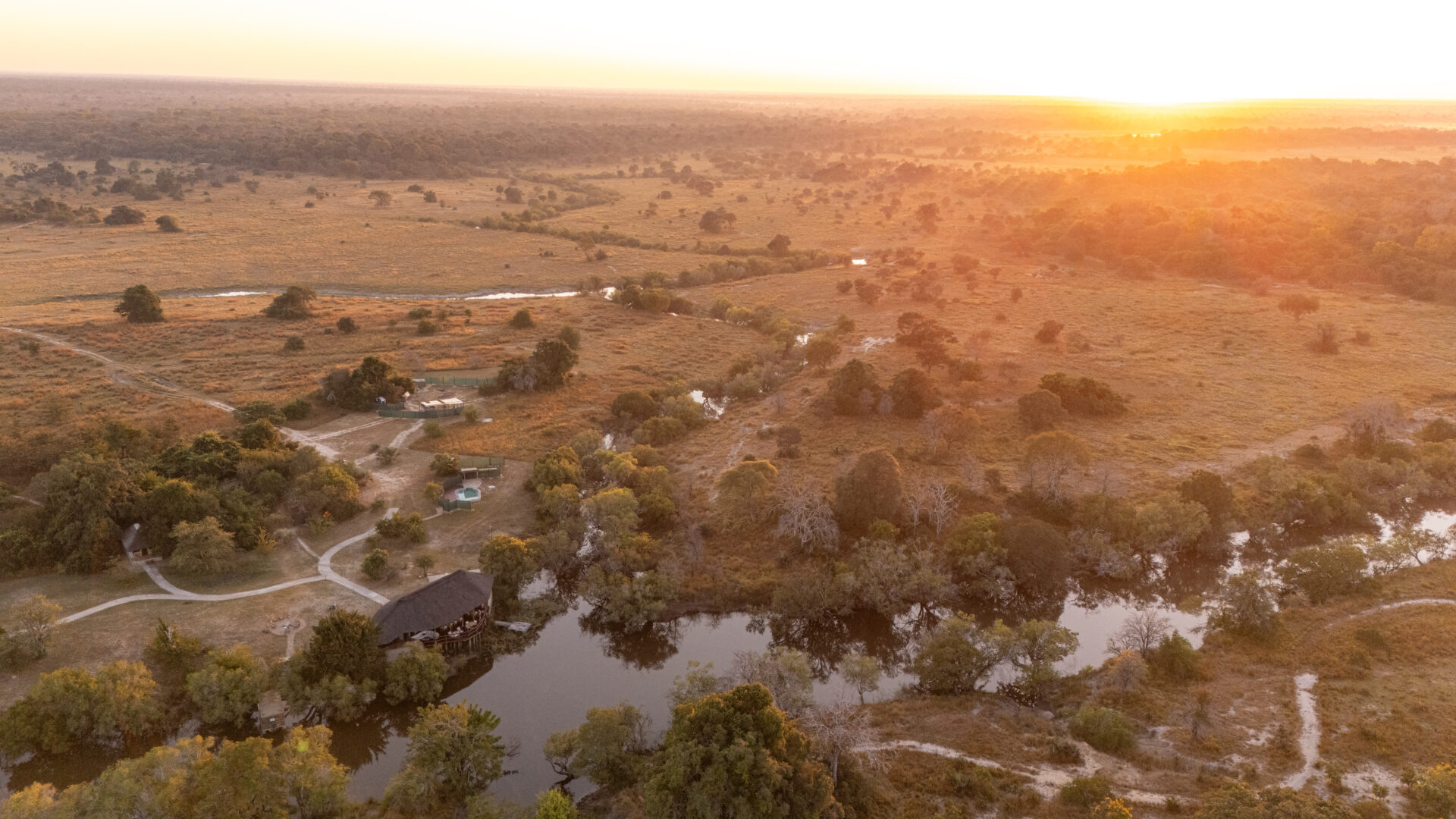
A Closer Look at the Environment: Walking into Time
When you walk, you step not just across soil, but through generations. Every track, root, and birdcall once served as a compass, a pharmacy, or a prayer for the people who moved through these landscapes long before roads or lodges existed. Your guide does not simply name a plant—he may show you how its sap stops bleeding, or how its direction tells a story of water and sun. A termite mound becomes a landmark for ancestral hunting routes. The call of a fish eagle becomes a morning clock. This is not nature as scenery. It is nature as memory, as medicine, as belonging.
Walking slows you down enough to notice the small things: the spiral of a dung beetle, the pattern of paw prints telling who passed and when, the quiet geometry of a spider’s web between two acacia thorns. From a vehicle, these details blur. On foot, they become lessons in survival and reverence—the same lessons once carried by the Achikunda, the Toka Leya, and countless others who relied on this wild for everything.
As you pause to feel the cool shade of a leadwood tree, you are not just observing. You are participating in a common heritage—one that honours the earth as healer, guide, and ancestor. This is a walk through time. And it asks nothing of you except your presence.
Awareness and pace
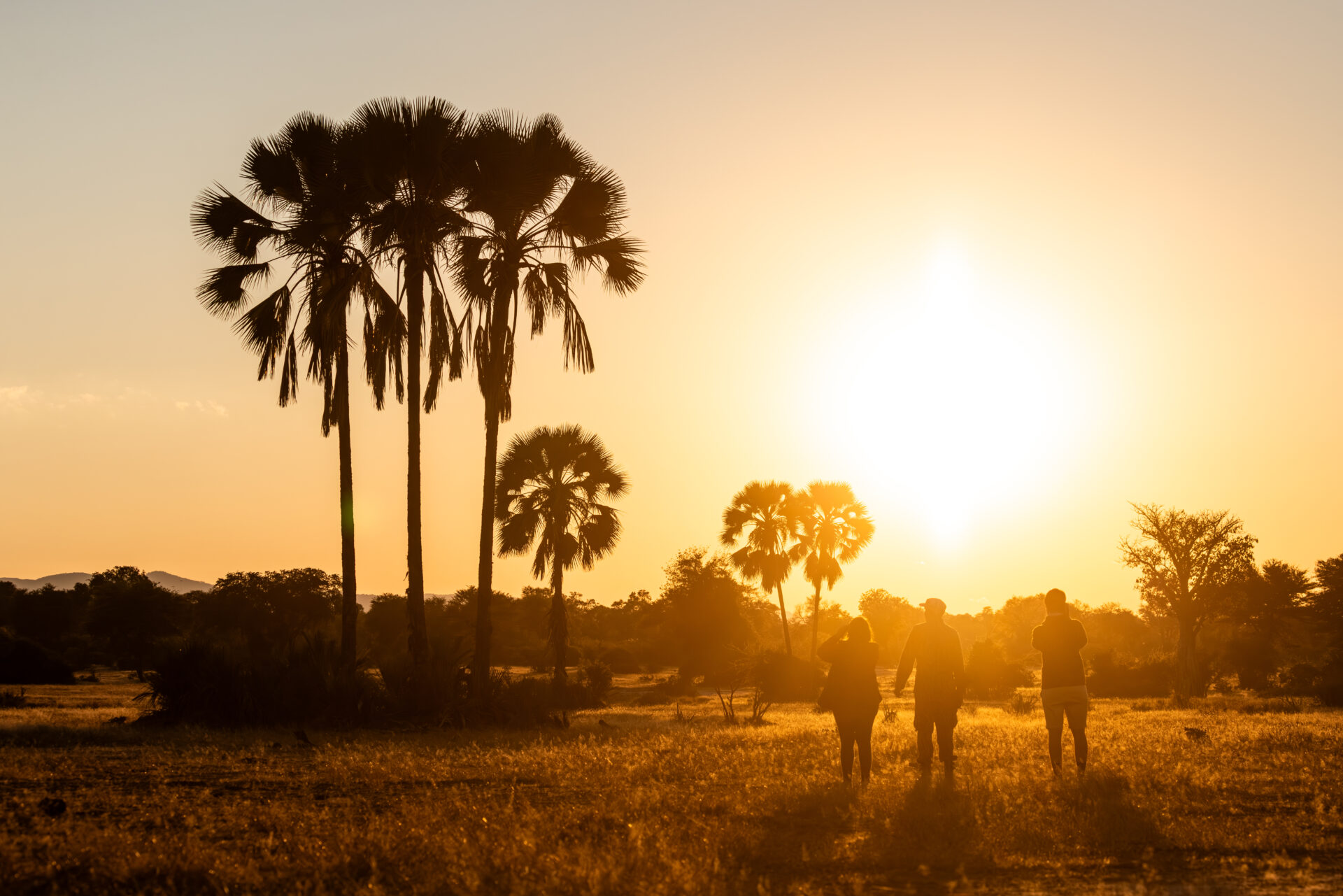
A key part of the walking experience is developing a greater awareness of the surroundings. Changes in sound, scent, temperature and light become more apparent on foot, creating a stronger sense of how the landscape shifts throughout the day. Walks are conducted with a constant awareness of safety, with guides adapting routes and pace according to conditions and guest comfort. This ensures that the experience remains both engaging and well-managed. By slowing the pace and focusing on observation, walking safaris provide a valuable contrast to vehicle-based activities, adding balance to the overall safari experience.
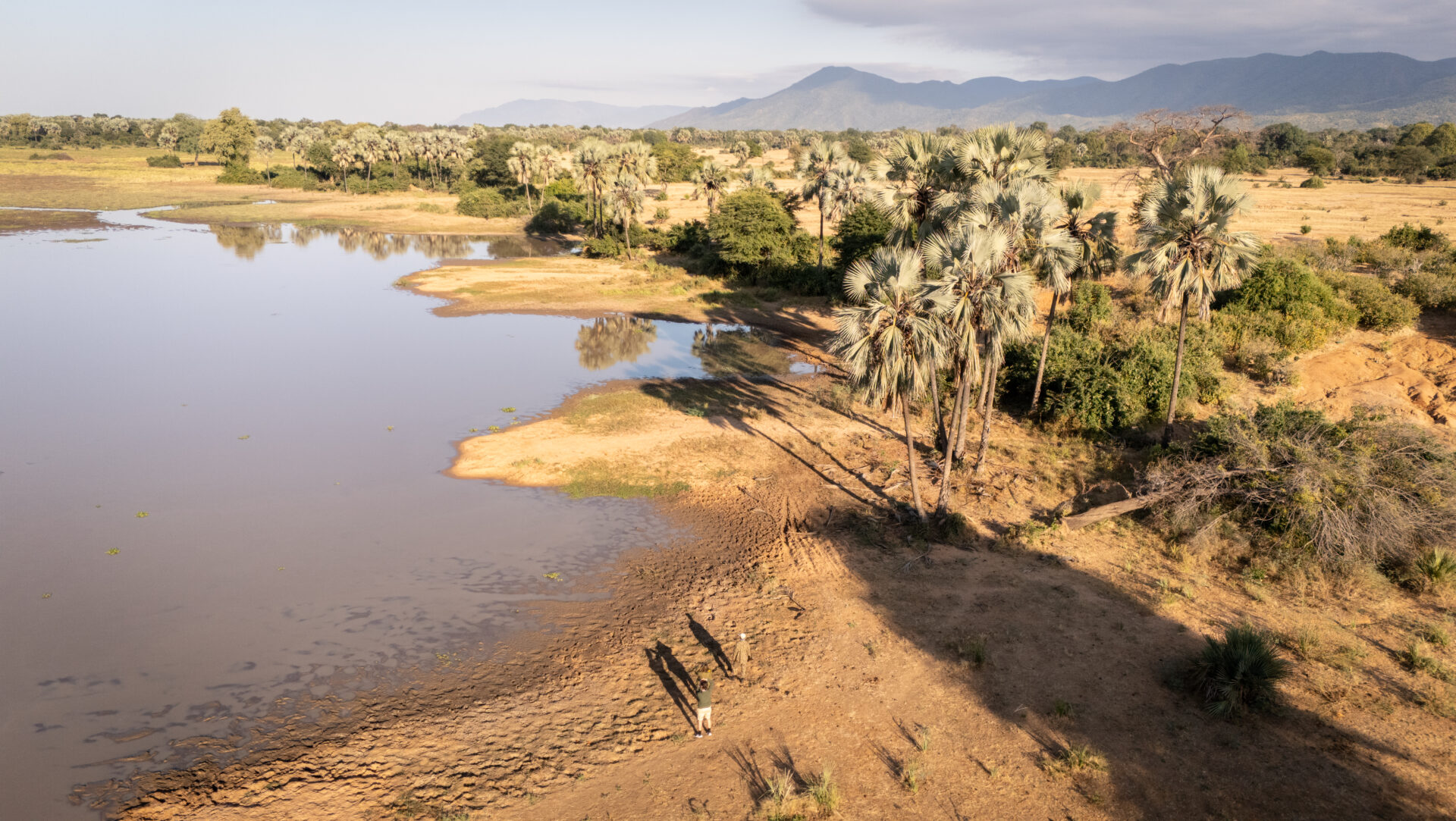
A closer look at the environment
Walking allows for a more detailed understanding of the bush, with attention given to elements that are often less noticeable from a vehicle. This includes animal tracks, plant life, insects and bird calls, as well as the relationships between them. Guides interpret these details, providing context and building a clearer picture of how the environment functions as a whole. The pace remains unhurried, allowing time to stop, observe and ask questions as the walk develops. This approach encourages a more thoughtful engagement with the landscape, where smaller discoveries become as important as larger sightings.
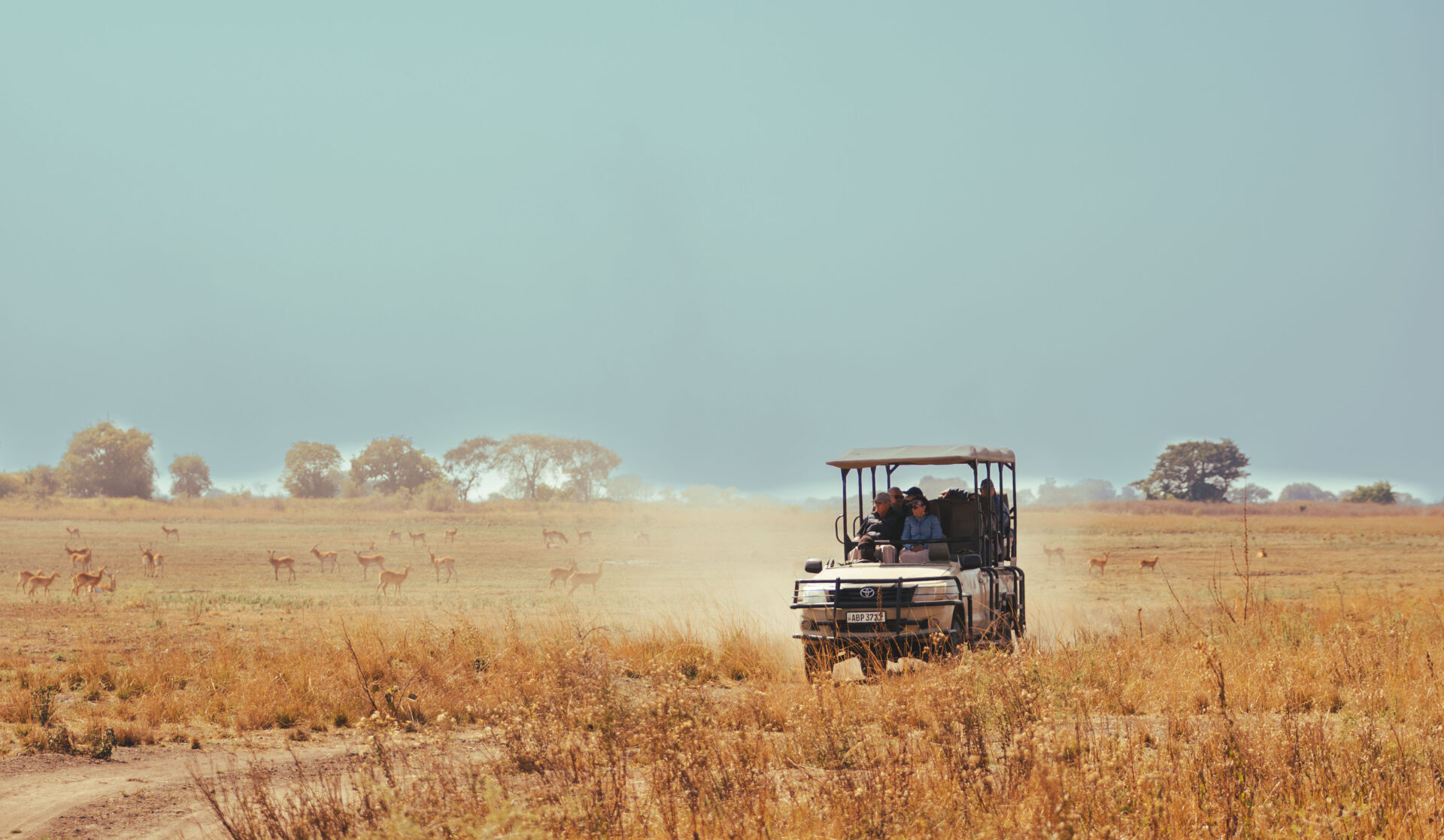
The Mascot Trail – A Nzovu Rundu Game Drive
Follow our famous characters into the wild they call home. At Nzovu Rundu Luxury Camp, the curious traveler is invited to explore the abundant Lower Zambezi National Park on a game drive unlike any other.
Find out more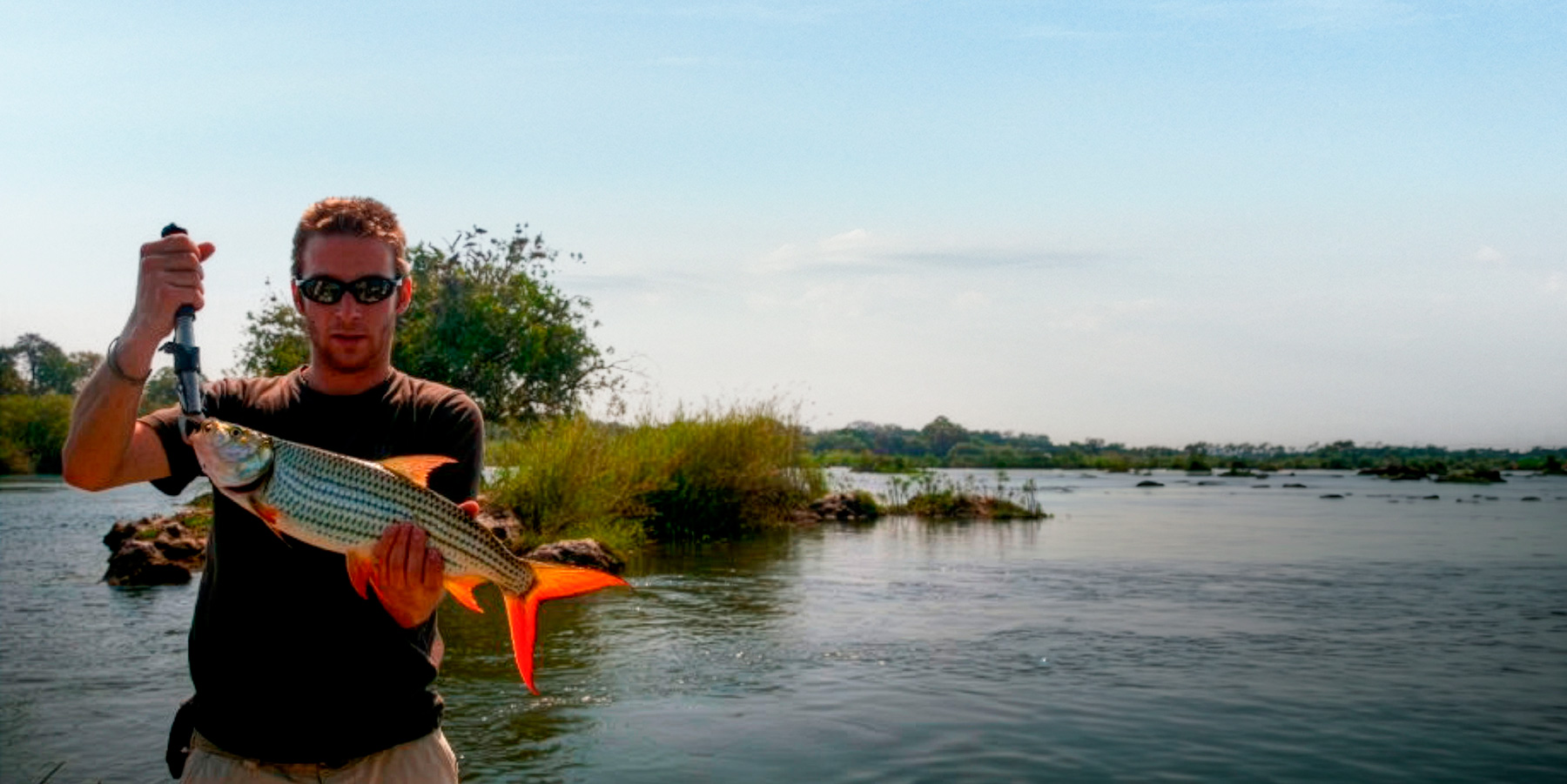
Zambezi Tiger Fishing
Tiger fishing on the Zambezi offers a focused river experience, combining skill and patience with the unpredictability of one of Africa’s most sought-after freshwater species.
Find out more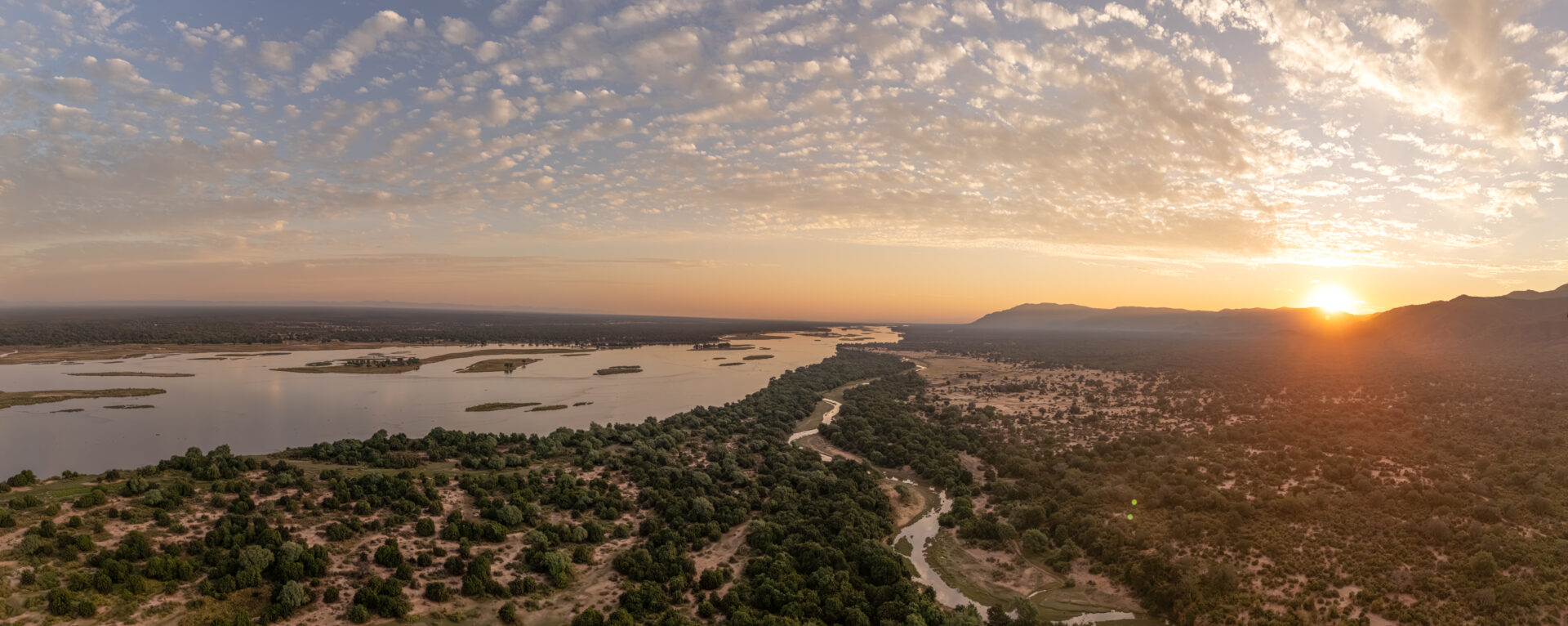
Zambezi River Boat Excursions
Boat trips on the Zambezi offer a relaxed way to explore the river, providing a different perspective on wildlife and landscape, shaped by light, movement and the pace of the water.
Find out more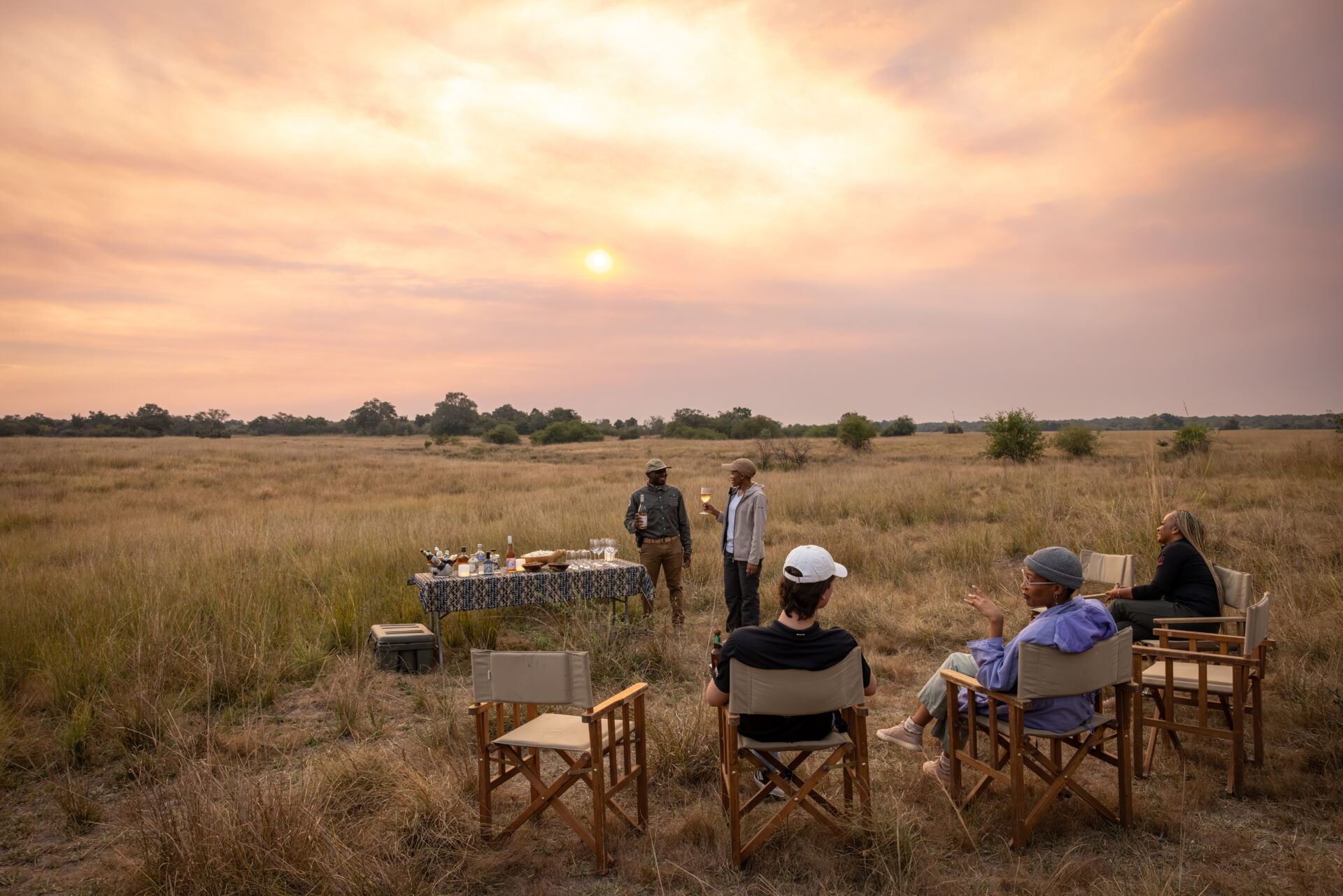
Evening Sundowners
There are few more classic things to do on safari than to pause for a while with a cold drink and watch the sun go down.
Find out more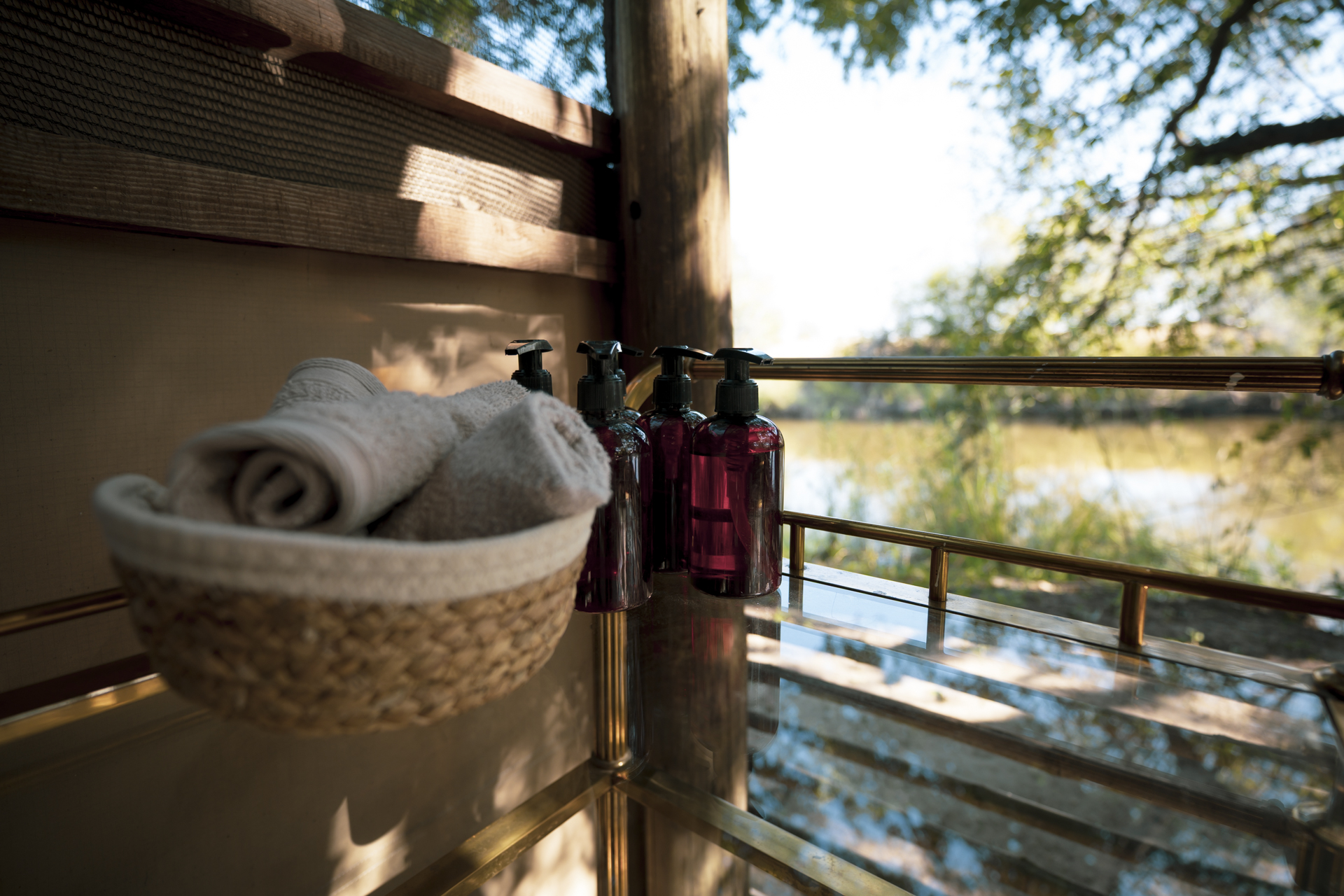
Spa & Relaxation
Time at camp allows for moments of rest between activities, with simple spa treatments and quiet spaces designed to help guests slow down and reset within the surrounding landscape.
Find out more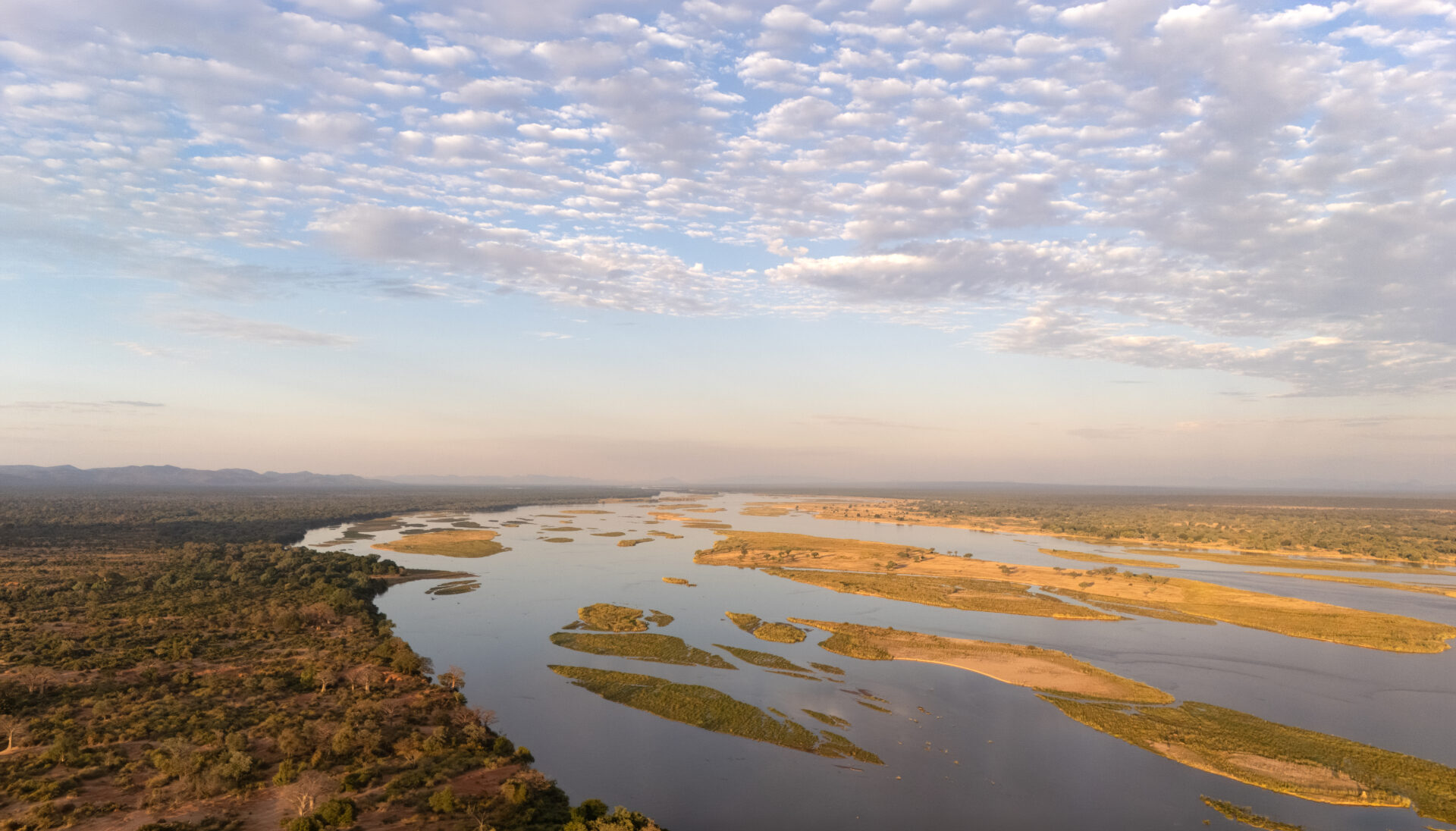
The Nkalange Canoe Experience
Paddle silently into the wild heart of Lower Zambezi. At Nzovu Rundu Luxury Camp, our exclusive Nkalange Channel canoe safari offers an intimate, thrilling, and utterly luxurious way to experience one of Africa's most pristine waterways. This is not a ordinary river cruise – this is a gliding, near‑silent journey where nature unfolds around you, unfiltered and up‑close.
Find out more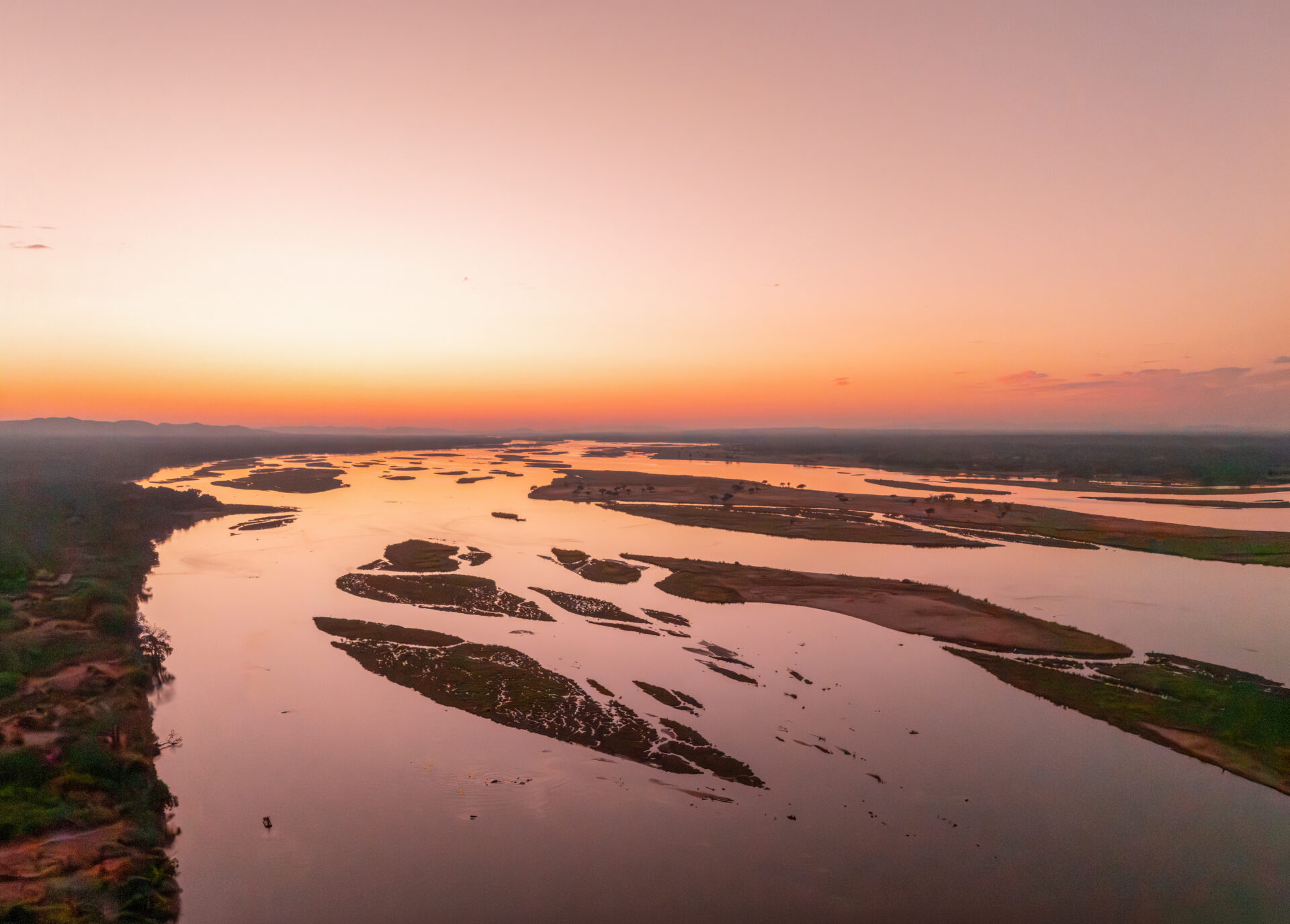
Aboard “The Wife”: A Mythical Voyage on the Mighty Zambezi
Game drives in the Lower Zambezi offer a varied and immersive way to explore the landscape, with full-day, morning and afternoon experiences shaped by changing light, wildlife movement and pace.
Find out more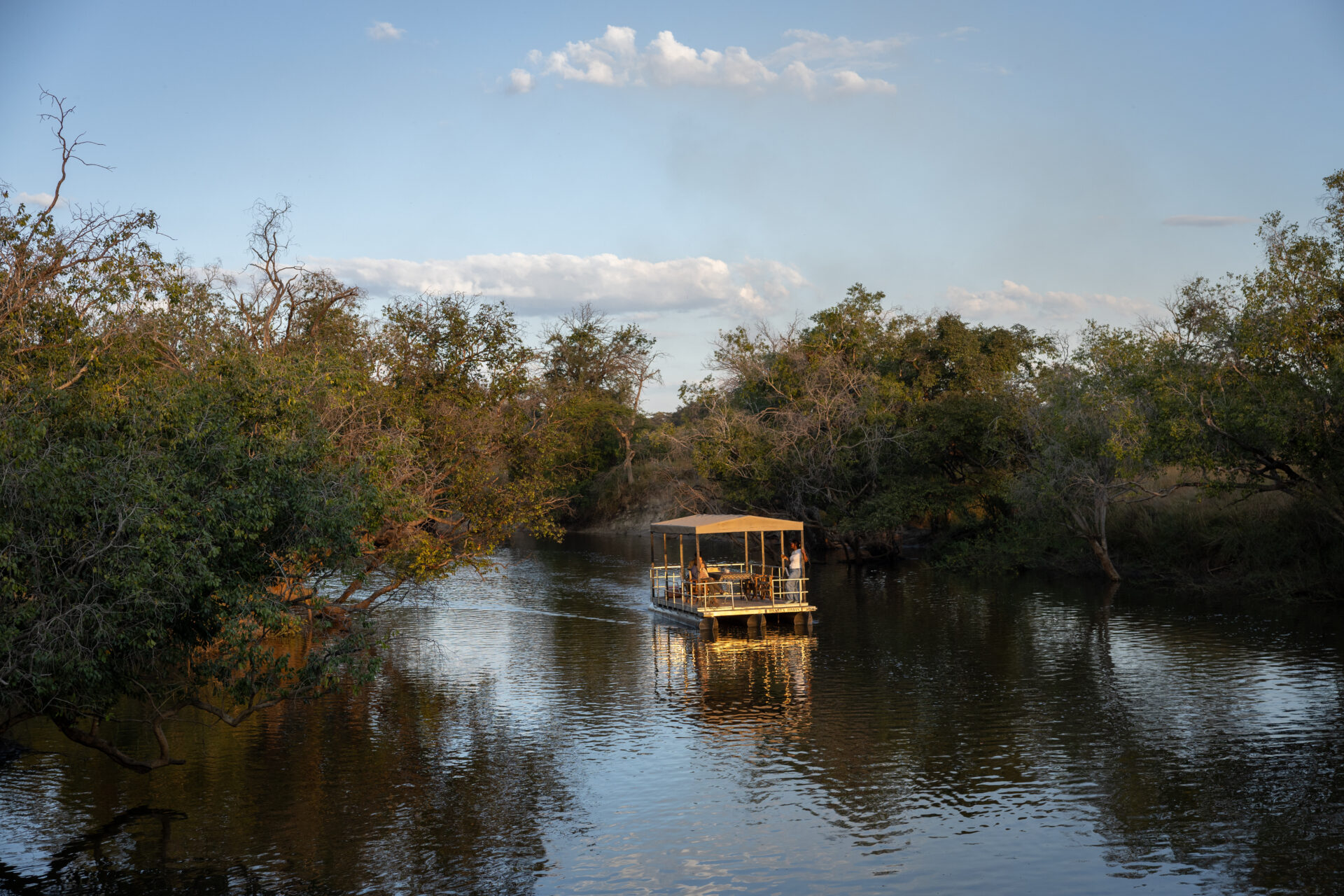
Mozhi River Experience
Time on the Lufupa River offers a quieter perspective of the landscape, with gentle boat cruises in the morning and evening revealing wildlife and movement often missed on land.
Find out more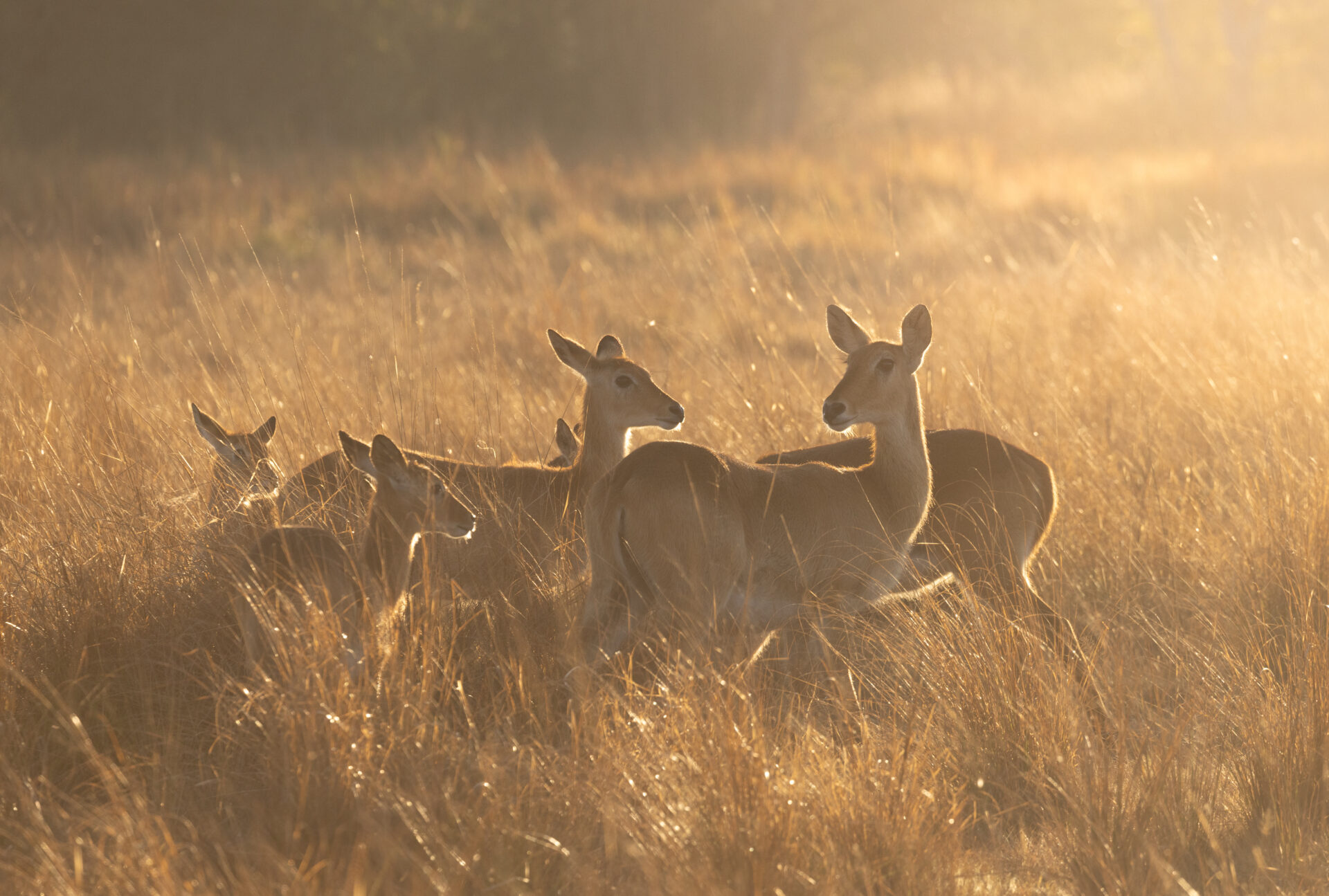
Busanga Plains Experience
A full-day safari to the Busanga Plains offers access to one of Kafue’s most open and distinctive landscapes, where seasonal floodplains support a wide range of wildlife.
Find out more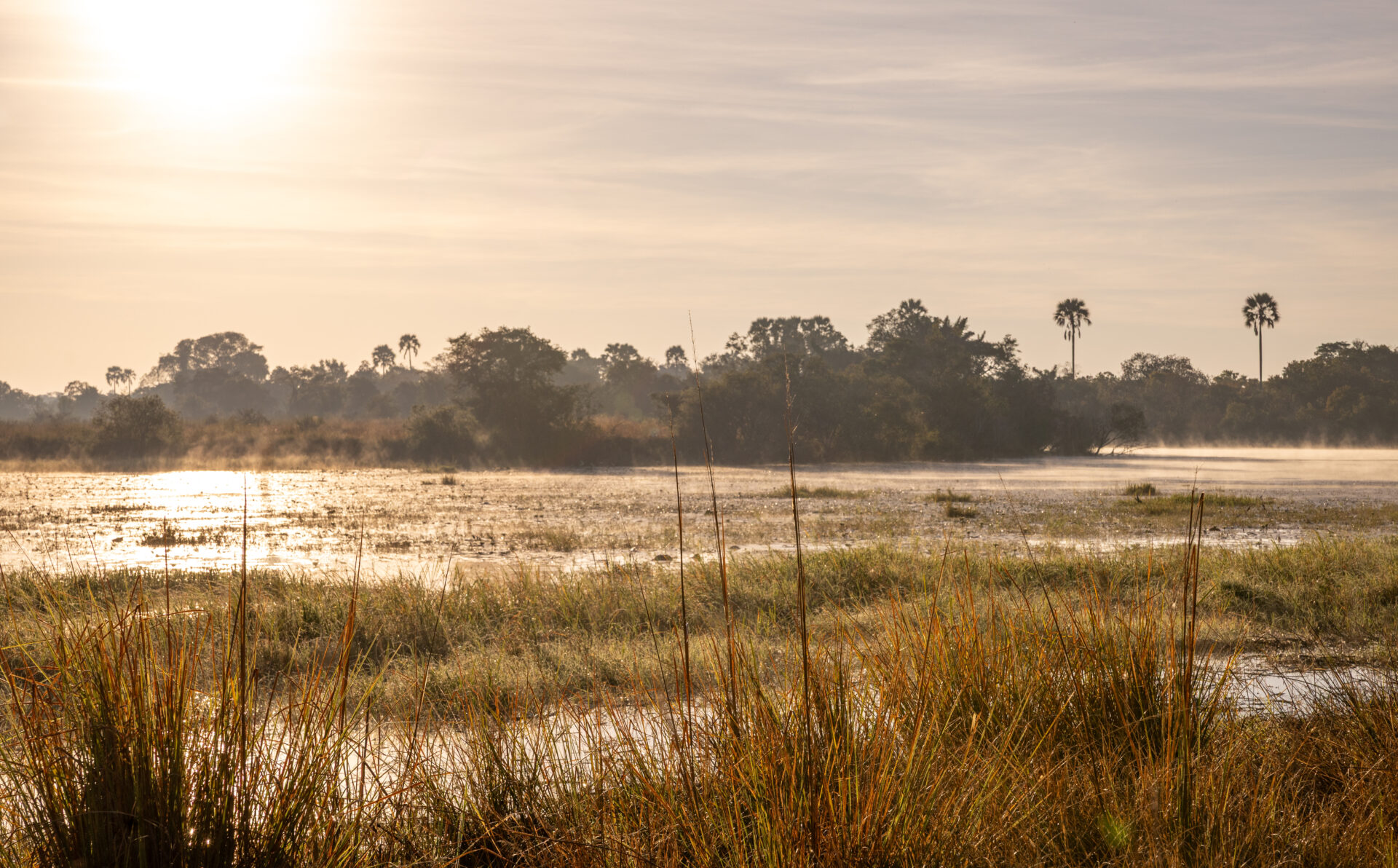
Mozhi Plains Experience
Game drives across the Mozhi Plains offer a shorter, more immediate safari experience, with open grassland close to camp supporting a variety of wildlife throughout the day.
Find out more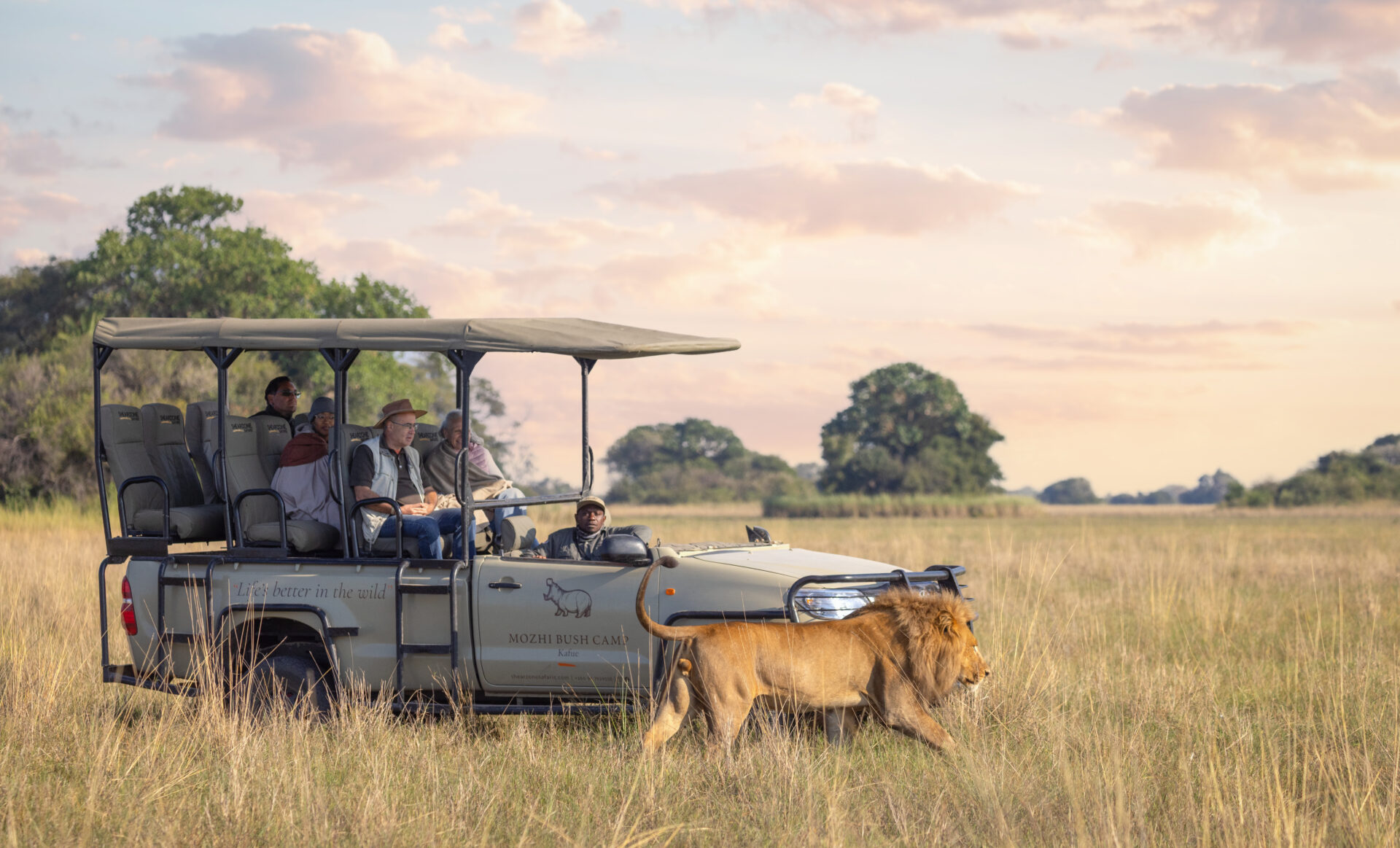
Game Drives
Game drives provide a flexible and comfortable way to explore the surrounding landscape and observe wildlife. Accompanied by experienced guides, each outing follows the conditions of the day, adapting to animal movements, seasonal changes, and opportunities as they arise across the terrain.
Find out more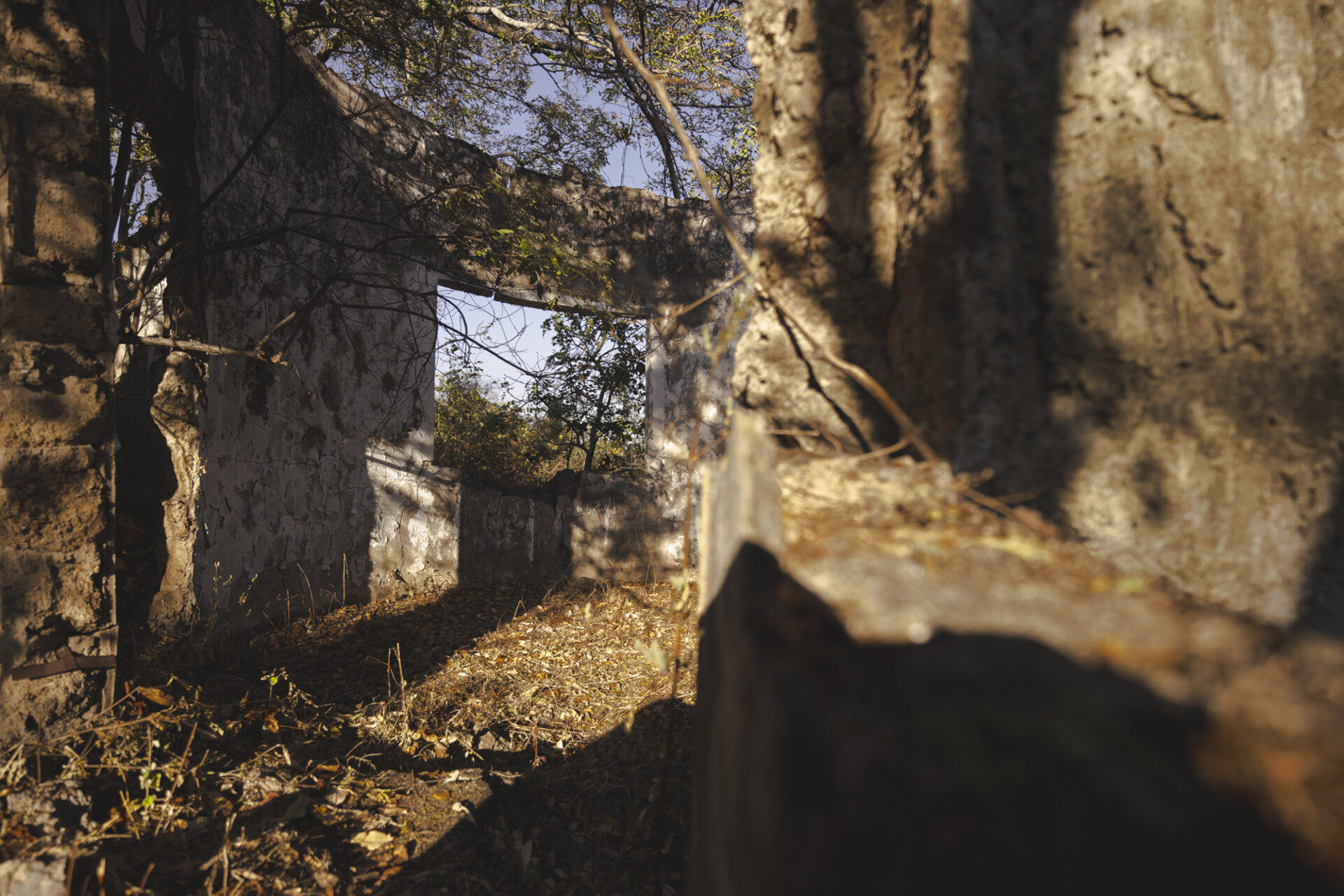
The Kawayawaya Trail
The Kawayawaya Trail offers a slower, more immersive way to explore the landscape, ending with sundowners at the Old Mozhi ruins as the day settles into evening.
Find out more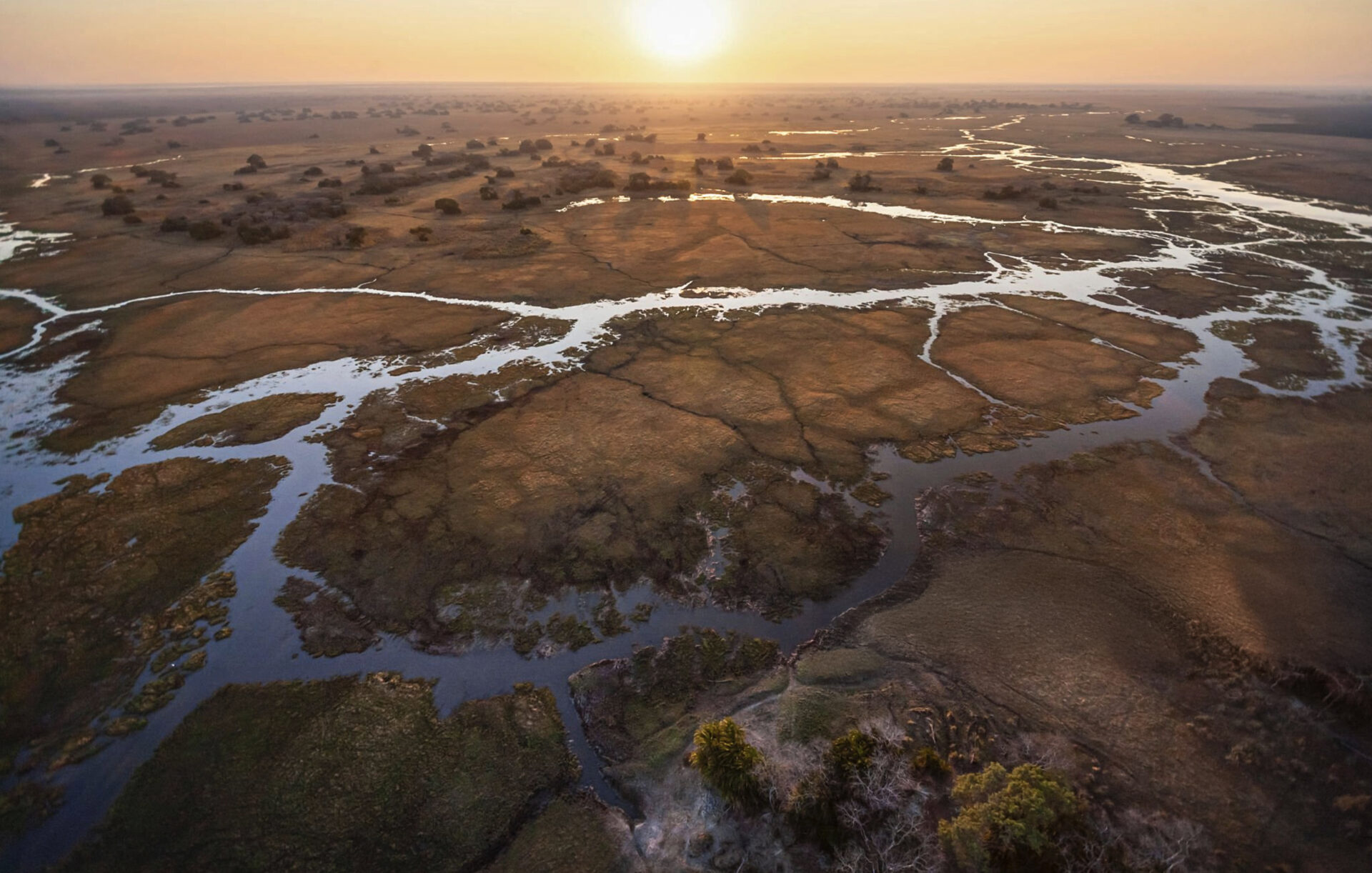
Moshi River Experience
Journey to the source of the Moshi River and experience a rare moment of stillness. Enjoy a thoughtfully prepared breakfast at sunrise, surrounded by untouched wilderness; quiet, grounding and deeply restorative.
Find out more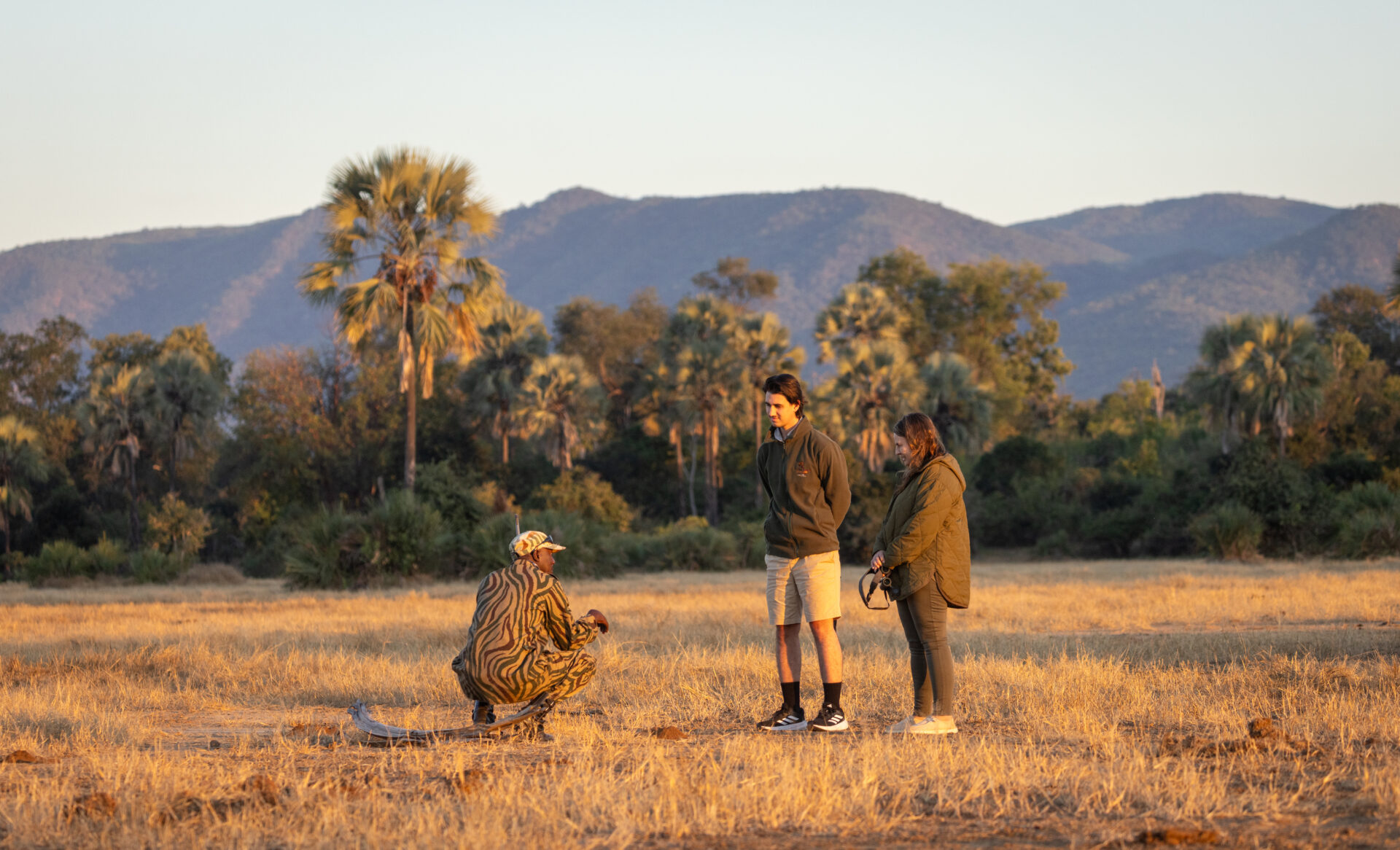
Nkalange Trail
Step out of the vehicle and into the rhythm of the wild. At Nzovu Rundu Luxury Camp, the Nkalange Trail offers an exclusive walking safari that awakens every sense. This is not a drive‑by viewing – this is an intimate, foot‑by‑foot journey through the untamed heart of Lower Zambezi, where the bush whispers secrets and legends walk beside you.
Find out more